
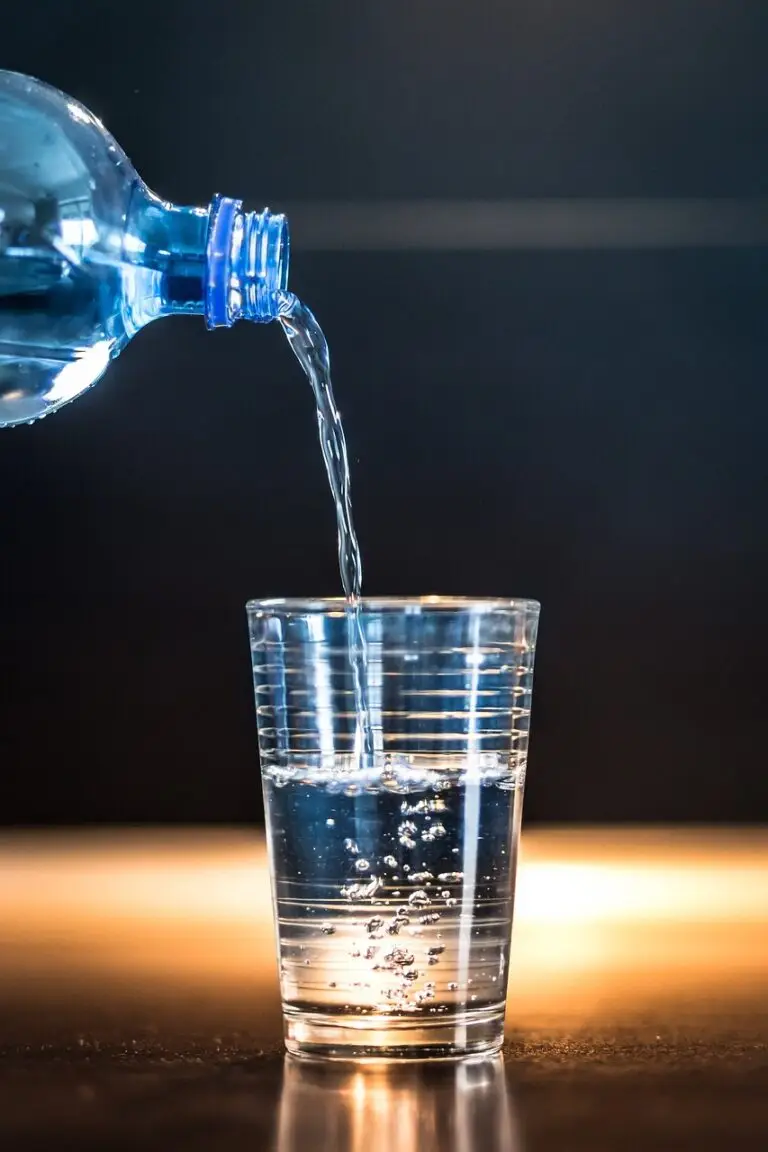
Why Hydration Matters
Water is life. Our bodies are made up of about 60% water, and every cell, tissue, and organ relies on it to function properly. Yet, many of us underestimate the importance of staying hydrated. From maintaining body temperature to flushing out toxins, water plays a pivotal role in keeping us healthy. Neglecting hydration can lead to fatigue, headaches, and even more severe health issues.
Signs of Dehydration You Shouldn’t Ignore
- Dry mouth and cracked lips
- Dark yellow urine
- Dizziness or light-headedness
- Fatigue and lack of focus
How Much Water Do You Really Need?
Busting Myths: Is 8 Glasses a Day Enough?
The “8 glasses a day” rule is a good starting point, but individual needs vary. Factors like activity level, climate, and health conditions determine how much water you require.
Factors That Influence Your Hydration Needs
- Age: Older adults may feel less thirsty but still need sufficient water.
- Activity Level: Exercise increases water loss through sweat.
- Environment: Hot or humid weather requires increased fluid intake.
- Diet: High-sodium or high-protein diets demand more water to process.
Beyond Water: Other Sources of Hydration
Foods That Keep You Hydrated
You don’t have to rely solely on beverages. Many foods are excellent sources of hydration, including:
- Watermelon (92% water)
- Cucumbers (96% water)
- Oranges (86% water)
- Soups and broths
Hydrating Beverages: What’s Healthy, What’s Not
- Healthy Choices: Herbal teas, coconut water, and freshly squeezed juices.
- Not-so-Healthy Choices: Sugary sodas, energy drinks, and alcohol can dehydrate you further.
Hydration and Your Health: The Science Explained
Water’s Impact on Skin, Digestion, and Energy Levels
- Skin Health: Proper hydration can improve skin elasticity and reduce dryness.
- Digestion: Water helps break down food and prevents constipation.
- Energy: Even mild dehydration can make you feel tired and sluggish.
The Link Between Hydration and Mental Clarity
Studies show that dehydration can impair mood, memory, and cognitive function. Staying hydrated helps you stay focused and productive.
Hydration Tips for Different Lifestyles
Hydration for Busy Professionals
- Keep a reusable water bottle on your desk.
- Set hourly reminders to take a sip.
Staying Hydrated During Workouts
- Drink water 30 minutes before exercising.
- Replenish lost fluids during and after your workout.
Hydration Tips for Kids and Seniors
- Encourage kids to drink water instead of sugary drinks.
- Seniors should drink small amounts regularly, even if they don’t feel thirsty.
Creative Ways to Stay Hydrated
Infused Water Recipes for Flavor and Health
- Lemon & Mint: A refreshing detox blend.
- Cucumber & Basil: Perfect for hot days.
- Strawberry & Lime: A naturally sweet treat.
Smart Gadgets and Apps to Track Your Hydration
- Smart Bottles: Track your water intake with technology.
- Hydration Apps: Use apps like WaterMinder to set daily hydration goals.
Warning Signs: Too Much or Too Little Water?
Understanding Water Intoxication
Drinking too much water too quickly can lead to hyponatremia, a condition where sodium levels in the blood become dangerously low. Symptoms include nausea, confusion, and even seizures.
Managing Dehydration Effectively
- Start with small sips of water or an oral rehydration solution.
- Avoid caffeine and alcohol until fully rehydrated.
Drink to Your Health!
Staying hydrated doesn’t have to be complicated. By incorporating water-rich foods, setting hydration reminders, and making smart beverage choices, you can ensure your body gets the fluids it needs. A well-hydrated life is a healthier, happier one.
So, raise your glass (of water) to your health!
Published on 30.12.2024
