
When it comes to health, we often focus on what we put into our bodies, but have you ever thought about how we support the ecosystem inside? Our gut is home to trillions of bacteria that play a crucial role in our overall health. One way to support this ecosystem is by adding probiotics to your diet. Probiotics are the “good” bacteria that help keep your digestive system in balance, but they do much more than just aid digestion. In this guide, we’ll take a closer look at what probiotics are, how they work in the gut, their benefits, natural food sources, how to choose supplements, and how to easily incorporate them into your daily routine.
What Are Probiotics?
Think of probiotics as tiny, helpful soldiers in your gut. They are live microorganisms, mainly bacteria and yeast, that, when consumed in adequate amounts, provide several health benefits. You’ve probably heard of them before in yogurt commercials, but they are much more than just a trendy buzzword. Probiotics help to balance the bacteria in your gut, especially when the balance has been disrupted by factors like illness, antibiotics, or a poor diet. These little warriors work to keep harmful bacteria in check while promoting overall health.
How Do Probiotics Work in the Gut?
Your gut is a busy place, home to trillions of bacteria—both good and bad. Ideally, the good bacteria exceed the bad, but when that balance is off, things like bloating, discomfort, or digestive issues can arise. This is where probiotics come in.
When you consume probiotics, they move into your gut and help to maintain or restore that delicate balance. They work by crowding out harmful bacteria, creating an environment where the beneficial bacteria can thrive. This helps your digestive system work more efficiently, and it can also have positive effects on your immune system, mental health, and even your skin.
Benefits of Probiotics in Digestion
If you’ve ever struggled with digestive issues like bloating, diarrhea, or constipation, probiotics might be the answer you’ve been searching for. Here are just a few ways probiotics support digestive health:
- Restoring gut balance: Taking probiotics can be especially helpful after taking antibiotics, which can kill both good and bad bacteria in your gut. Probiotics can help restore that balance and prevent issues like diarrhea.
- Reducing digestive discomfort: Probiotics can help improve digestion, making it easier for your body to break down and absorb nutrients from the foods you eat. They may also help alleviate symptoms of bloating and discomfort.
- Relieving symptoms of IBS: Probiotics have been shown to help reduce the frequency and severity of symptoms like abdominal pain, bloating, and irregular bowel movements for those with irritable bowel syndrome (IBS).
- Enhancing nutrient absorption: A healthy gut flora means better absorption of vitamins and minerals, ensuring that your body gets all the nutrients it needs from the food you eat.
Natural Food Sources of Probiotics
You don’t have to turn to supplements to get your daily dose of probiotics—there are plenty of delicious foods that naturally contain these beneficial bacteria. Incorporating these into your diet can be a fun and tasty way to promote gut health. Here are some excellent sources of probiotics:
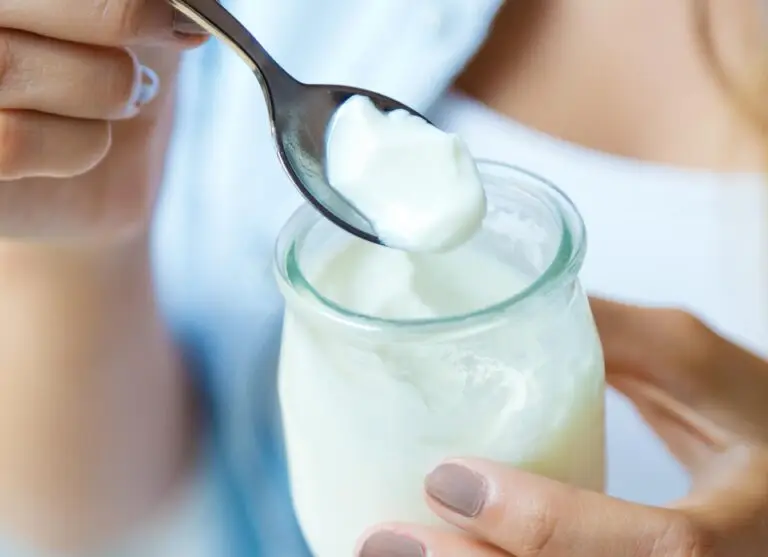
- Yogurt: This dairy product is probably the most well-known probiotic food. Look for varieties that contain live and active cultures to get the full benefits.
- Kefir: A fermented dairy drink similar to yogurt, but with a thinner consistency, kefir is packed with probiotics and often easier to digest for people who are sensitive to dairy.
- Sauerkraut: This tangy, fermented cabbage is not only rich in probiotics but also provides fiber to support digestive health.
- Kimchi: A Korean dish made from fermented vegetables, usually cabbage and radishes, kimchi is loaded with probiotics and adds a flavorful kick to any meal.
- Miso: This fermented soybean paste, commonly used in soups, adds a unique umami flavor while providing a good source of probiotics.
- ed brands that follow good manufacturing practices to ensure quality and safety.
Tips for Incorporating Probiotics Into Your Daily Diet
Getting enough probiotics doesn’t have to be complicated. Here are some simple tips to help you incorporate probiotics into your daily routine:
- Start your day with probiotics: Add a serving of yogurt or kefir to your breakfast. You can even blend them into a smoothie with fruits and greens for a gut-healthy start.
- Snack on fermented foods: Instead of reaching for a bag of chips, try a small serving of sauerkraut or kimchi as a snack.
- Stir miso into soups and stews: Miso is versatile and can easily be added to many dishes, providing a boost of probiotics with minimal effort.
- Swap sugary drinks for kombucha: Kombucha is a fermented tea that’s rich in probiotics. It’s a great alternative to sugary sodas and can be enjoyed as a refreshing drink throughout the day.
- Take a supplement if needed: If you find it challenging to get enough probiotics from food, consider taking a high-quality supplement to fill the gap.
Probiotics in Indian Cuisine:
Dahi (Yogurt) – One of the most common probiotic-rich foods in India. It is made by fermenting milk with specific bacterial cultures, which aid in digestion and gut health.
Idli and Dosa (Fermented Rice and Lentil Batter) – These South Indian staples are made from fermented rice and urad dal (black gram). The fermentation process helps develop beneficial bacteria, promoting gut health.
Cottage Cheese (Paneer) – Though not fermented in the same way as yogurt or kefir, some types of paneer made from raw milk may contain trace amounts of probiotics, though it is less potent than fermented dairy products.
Lassi – A traditional yogurt-based drink, commonly consumed in India. It contains live cultures of probiotics and can be either sweet or savory.
Probiotics are an easy and effective way to support your digestive health and overall well-being. Whether you prefer to get your probiotics from food or supplements, the benefits are clear: a healthy gut means a happier, healthier you.
So, why not start adding some probiotic-rich foods to your diet today? Your gut (and the rest of your body) will thank you!
Published on 02.01.2025
